


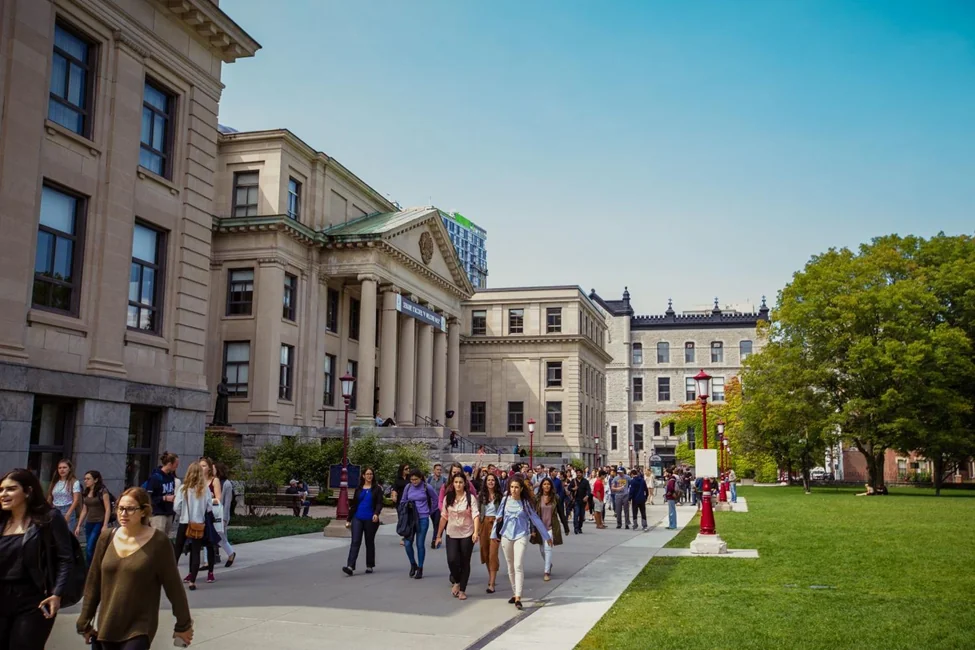
In response to the increasing number of international students arriving in Canada, Immigration, Refugees and Citizenship Canada (IRCC) has introduced comprehensive changes to the International Student Program (ISP) starting in 2024. These initiatives are designed to improve educational quality and immigration opportunities throughout the country while managing resources effectively.
As of January 1, 2024, the financial requirement for study permit applicants has been raised considerably to better represent the true cost of residing in Canada. International students are now required to provide evidence of at least $20,635 (up from $10,000) for yearly living expenses. This substantial increase guarantees that students possess sufficient financial means to sustain themselves during their academic journey.
For 2024, IRCC has imposed a firm limit of roughly 360,000 new permits for international students. This restriction aims to control and balance the total number of incoming students, guaranteeing appropriate distribution of resources such as accommodation, medical services, and other vital amenities across Canada.
Under the new regulations, most incoming college and undergraduate international students must secure a provincial attestation letter to verify adherence to designated provincial quotas. This framework ensures balanced student distribution across all provinces and territories.
Several categories of international students are not required to obtain a Provincial Attestation Letter under the updated regulations. Exemptions apply to: elementary and high school students, students pursuing master’s or doctoral degrees, visiting or exchange students already in Canada attending a designated learning institution, current holders of study permits or work permits in Canada (including those seeking permit extensions), family members in Canada of study or work permit holders, and applicants whose submissions were received prior to 8:30 a.m. EST on January 22, 2024.
Master’s degree holders now qualify for a three-year work permit, irrespective of their program length. This improvement is intended to enhance their professional experience in Canada and support career growth.
This policy streamlines the path to permanent residence by offering extensive local employment opportunities, which are essential for building a successful career in Canada and making meaningful economic contributions.
Students graduating from recognized public-private partnership college programs are eligible for PGWP, reflecting IRCC’s recognition of varied educational frameworks and their value to Canada’s labor market.
Detailed criteria and regulations determine which partnership programs meet eligibility requirements, maintaining educational standards and relevance that correspond with Canadian employment needs and economic objectives.
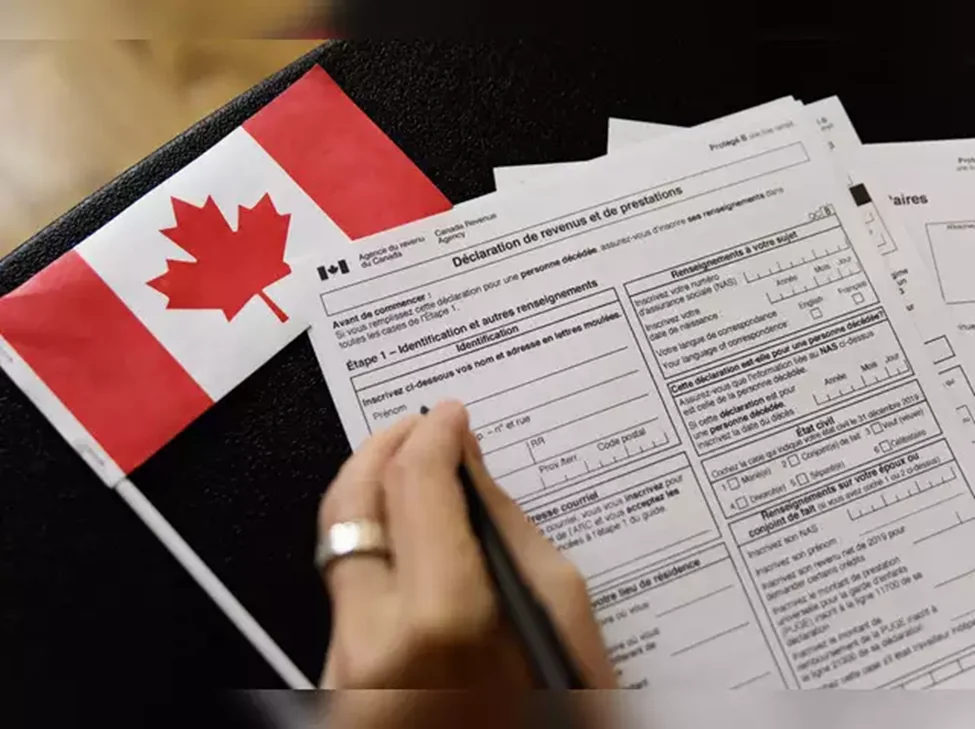
Major changes have been implemented regarding spousal open work permit criteria. Spousal open work permits are now restricted to spouses or common-law partners of graduate and professional degree program students. This modification ensures spousal work permits align with long-term economic benefit goals.
The updated restrictions eliminate eligibility for partners of students enrolled in lower-tier academic programs, directing resources toward individuals with higher potential for contributing to the Canadian economy and ensuring program viability.
These modifications reflect Canada’s dedication to achieving equilibrium in managing international student admissions and their associated economic advantages. The updates are crafted to guarantee the education system’s long-term viability while supporting student goals and facilitating successful integration into the Canadian labor force. For professional assistance with understanding these updated requirements, reach out to our qualified immigration legal team who can ensure your study permit application complies with all current regulations.